
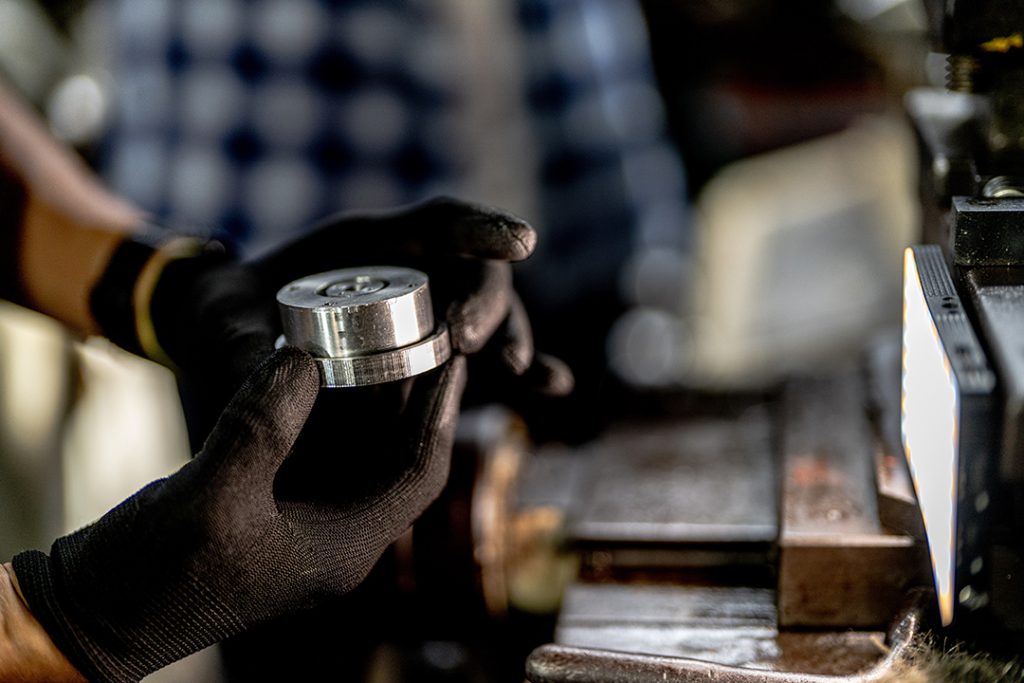
When choosing a permanent marking method, one of the most important considerations is the type of metal being engraved and the depth of the impression. In our experience, custom hand stamps can be engineered to mark a wide variety of metals with varying levels of hardness. Selecting the right approach ensures marks remain clear, legible, and compliant throughout the lifespan of the product.
This article explores the most common metals used in manufacturing, how they respond to engraving, and the typical depths achievable with hand stamping. By understanding these factors, manufacturers can make informed decisions about durability, compliance, and quality assurance.
Why Engraving Depth Matters
Engraving depth is directly tied to legibility and durability. A shallow mark may fade under wear, corrosion, or finishing processes like painting or coating. A deeper mark creates permanence, but if it’s too deep, it can compromise the integrity of the material. In our experience, the goal is to balance visibility with structural integrity, tailoring the engraving depth to both the metal type and the application.
Engraving Different Types of Metals
Not all metals behave the same under impact. Softer metals like aluminum are easier to engrave deeply, while harder metals like stainless steel require more force and precision. The following table outlines common metals, their relative hardness, and typical engraving depths achievable with hand stamps:
| Metal Type | Relative Hardness | Typical Engraving Depth (Hand Stamp) | Best Use Cases |
|---|---|---|---|
| Aluminum | Soft | 0.25 – 0.50 mm | Lightweight parts, aerospace, automotive housings |
| Brass | Soft to Medium | 0.20 – 0.45 mm | Plumbing, electrical fittings, decorative components |
| Copper | Medium | 0.20 – 0.40 mm | Electrical parts, industrial piping, conductors |
| Carbon Steel | Hard | 0.15 – 0.35 mm | Tools, automotive, structural parts |
| Stainless Steel (304/316) | Hard | 0.10 – 0.30 mm | Medical devices, food processing equipment, marine parts |
| Titanium | Very Hard | 0.05 – 0.20 mm | Aerospace, implants, high-performance components |
| Zinc Alloys | Soft to Medium | 0.20 – 0.40 mm | Consumer products, automotive trim |
Factors That Influence Engraving Depth
In our experience, several factors impact how deep an engraving can go:
- Material hardness: Harder metals resist deeper impressions, requiring shallower engravings to maintain clarity without damaging the stamp.
- Stamp design: The font style, character size, and surface area affect how force is distributed and how deeply the mark penetrates.
- Operator technique: Consistent striking force ensures uniform depth across multiple parts.
- Surface finish: Polished or coated surfaces may need slightly deeper marks to remain visible over time.
Engraving Depth Recommendations by Application
The required engraving depth often depends on the environment in which the part will be used. In our experience, here are common guidelines:
| Application | Recommended Depth | Rationale |
|---|---|---|
| Indoor Components | 0.10 – 0.20 mm | Minimal wear or corrosion exposure; shallow marks remain legible. |
| Outdoor Equipment | 0.20 – 0.35 mm | Must withstand weather, abrasion, and possible coatings. |
| Medical Devices | 0.10 – 0.25 mm | Deep enough for permanence, but shallow enough to avoid structural compromise. |
| Aerospace Components | 0.05 – 0.15 mm | Regulations often limit depth to preserve structural integrity in high-stress parts. |
| Food & Beverage Packaging | 0.20 – 0.40 mm | Must survive sterilization, moisture, and long-term storage. |
Balancing Depth with Compliance Requirements
Regulated industries, such as aerospace, automotive, and medical manufacturing, often specify maximum engraving depths to prevent weakening critical components. At the same time, they require that markings remain permanent and legible for the life of the product. In our experience, custom hand stamps provide the flexibility needed to meet these requirements by controlling character size and depth through precise design.
Common Challenges in Engraving Metals
Even with the right stamp, engraving different metals presents challenges. In our experience, these include:
- Work hardening: Some metals, like stainless steel, harden under repeated strikes, requiring consistent technique to maintain depth.
- Surface coatings: Painted or anodized metals may obscure shallow marks if not stamped deep enough.
- Thin-walled parts: Excessive depth may deform delicate components.
When Repeated Runs Call for Machine Stamps Instead
The depth figures above assume hand stamping, where operator technique is part of the equation. Once a part number runs across thousands of identical pieces, that same depth needs to hold steady without relying on strike-to-strike consistency from an operator. Devore’s custom metal machine stamps are built for that kind of controlled, repeatable depth on higher-volume work.
Final Thoughts: Matching Metal, Depth, and Purpose
Engraving is never one-size-fits-all. The type of metal, the application, and the compliance requirements all shape how deep and how permanent a mark must be. In our experience, custom hand stamps provide manufacturers with the versatility needed to create lasting identifiers across a wide range of metals. By balancing depth with durability, companies ensure legibility, compliance, and brand consistency—whether marking aluminum housings, stainless steel instruments, or titanium components.
